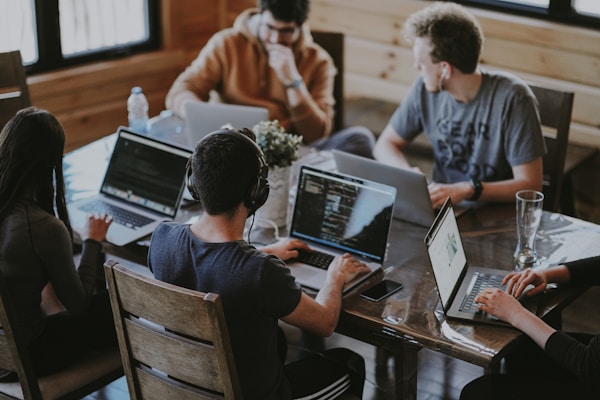
Leveraging advanced facial analysis and machine learning to identify stress patterns in real-time. Backed by published research with 89% detection accuracy.
Trusted by leading organizations
Our system uses cutting-edge image processing and machine learning algorithms to accurately detect and analyze stress levels.
Upload facial images for comprehensive stress level analysis using advanced image processing techniques.
Uses K-Nearest Neighbor machine learning algorithm for accurate stress classification with high precision.
Identifies multiple emotions including anger, disgust, fear, sadness which are indicators of stress.
Analyzes wrinkles, eye bags, and brow strain to detect physical signs of stress and fatigue.
Get instant stress level assessments with detailed breakdowns and confidence scores.
Your data is encrypted and protected. Admin-controlled access ensures maximum security.
A simple 4-step process to detect and analyze stress levels in IT professionals.
Create your free account in seconds. Wait for admin activation to unlock the full stress detection platform.
Upload a clear facial image or use your device camera for live capture through our secure interface.
Our advanced ML model (KNN + Face-API.js) analyzes facial features, emotions, and physical stress indicators in real-time.
Receive a comprehensive stress report with emotion breakdown, confidence scores, and personalized relief recommendations.
Hear from IT professionals who use StressDetect AI to monitor their well-being.
"This tool has been a game-changer for our team. We can now proactively identify when team members need support before burnout hits."
"The accuracy of the facial analysis is impressive. It detected my stress levels even before I realized I was under pressure. Highly recommended!"
"The survey-based prediction combined with facial analysis gives a comprehensive view of stress. The recommendations are genuinely helpful."
"As an HR manager, this tool helps me understand workforce well-being at scale. The admin dashboard provides excellent insights."